
Kitchen Islands: More Than Just a Prep Space
In the world of kitchen design, few features have seen such a dramatic evolution as the kitchen island.
Over the past 100 years or so, the kitchen island has evolved from a humble worktable to today’s modern kitchen design statement.
Once a purely functional element, the kitchen island has transformed into the centrepiece of the modern kitchen. Today, it’s a place not only to cook, but to gather, dine, work, and entertain.
At Hubble Kitchens we’ve seen firsthand how the island has redefined the way people use their kitchens. It’s no longer just about what happens in the kitchen—it’s about how people want to live.
Humble Beginnings
Tracing their history back to the 1800’s, islands were integrated into kitchen layouts solely for functional purposes. The concept of the island started as practical worktables, typically located in the centre of the kitchen. The big sturdy tables were used for extra storage and food prep space; to chop vegetables or knead dough and allow servants to spread out and prepare meals.
During the Victorian Era, the only people who were entertaining were the wealthy, who had servants doing all the unglamorous prep work. The kitchen itself was located at the back of the property and were usually messy, utilitarian spaces that were dark, noisy and very hot. The kitchen was not a show piece and certainly not a space for guests to mingle.
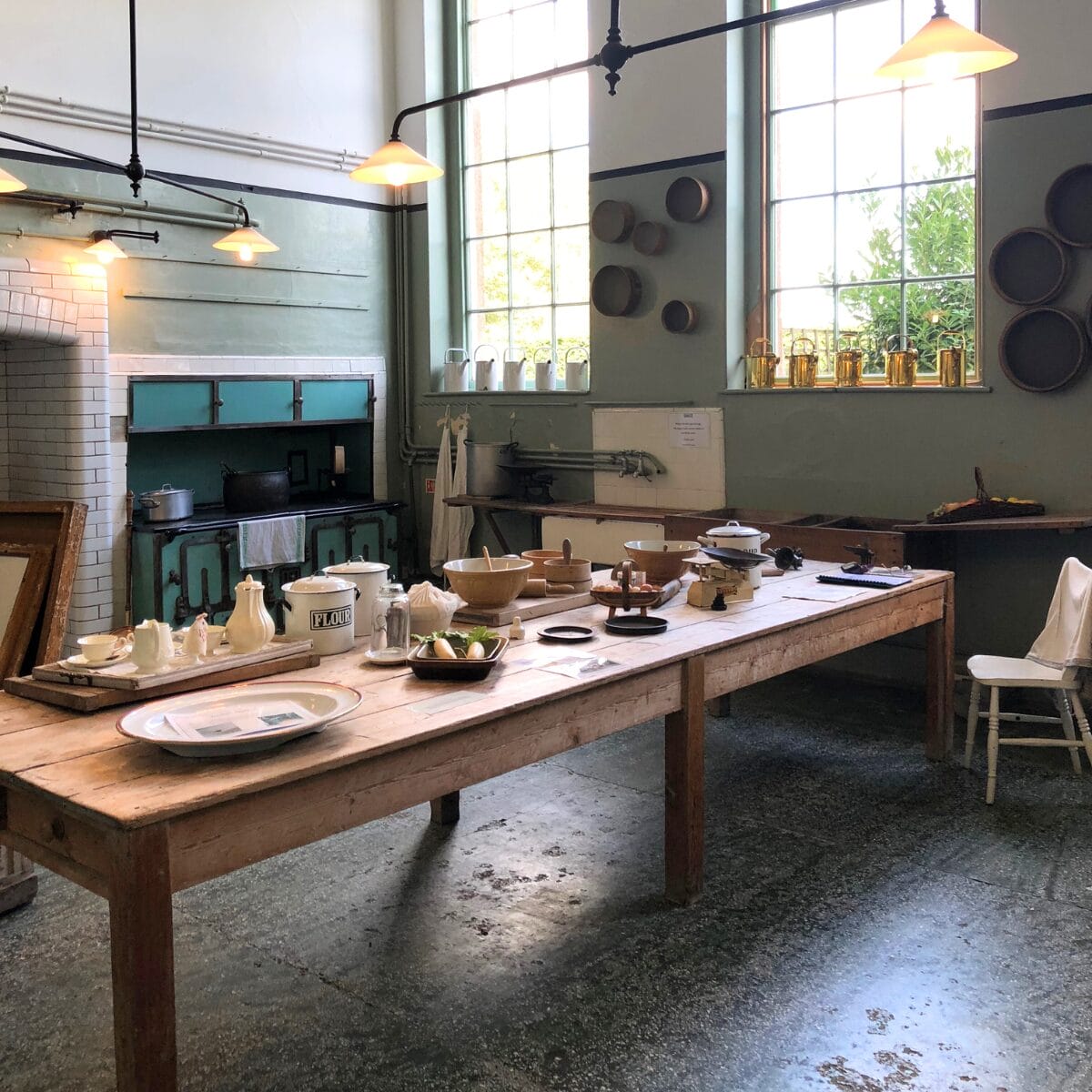
Image: The Old Kitchen at Stansted House, Rowlands Castle
A Shift in Lifestyle, A Shift in Design
Throughout the 1900’s, the kitchen gradually moved to the forefront of the floor plan of middle-class suburban homes. With influences from Germany and America, kitchen design took a sudden turn toward organisation and efficiency, transforming kitchens from works rooms to carefully designed spaces with systems that supported new kinds of cooking.
The shift from closed-off kitchens to open-plan living played a significant role in the island’s evolution, as architecture from the 1940’s tended to move the kitchen to the centre of the home and saw kitchen counters open-up to the rest of the living space. As kitchens became more connected to living and dining areas, the island stepped into a new role: a bridge between function and lifestyle. It enabled the homemaker who was cooking to remain part of the conversation, whether with family during the week or friends on the weekend.
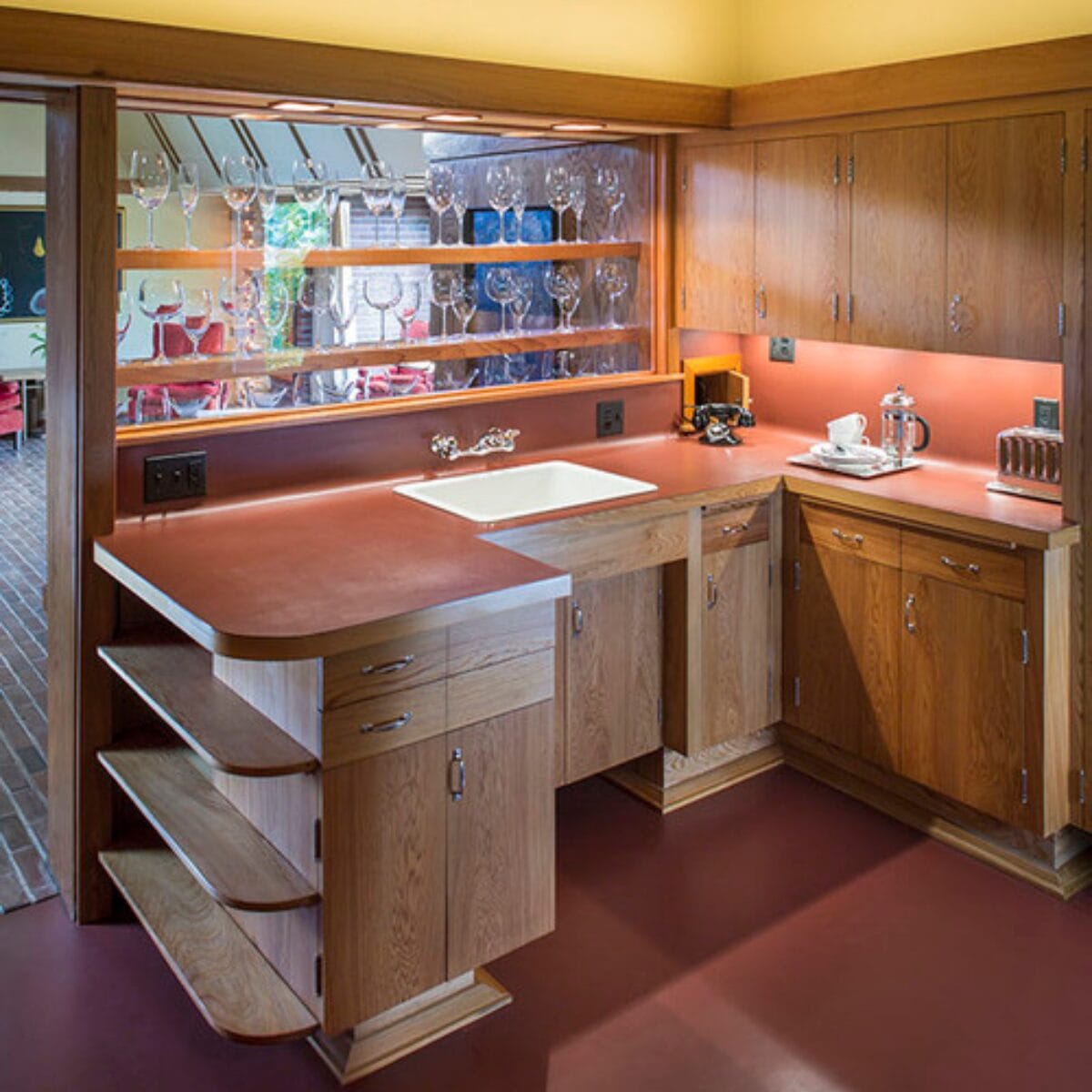
Image: The Willey House, designed by Frank Lloyed Wright, 1934. Credited as the first concept of open kitchen design.
This new role continued to evolve from the mid-20th century as the kitchen island became a focal point to gather and entertain. New designs featured ‘eat bars’ where counter tops were added to one side of the island creating space for casual eating. For the first time, guests can be in the kitchen without being in the cook’s way, transforming the kitchen space for socialisation and dining rather than just meal preparation.
From here the evolution of the kitchen island was unstoppable, with significant transformations as designs become larger and more multi-functional with the integration of sinks, cooktops and built-in appliances.
And in today’s fast-paced world, versatility is everything. The modern island is not just a worktop—it’s a workspace, a breakfast bar, a wine station, or even a hidden charging zone for devices; it has become the hub of the home, whether you are cooking, entertaining or working from home. It adapts to the needs of each household, seamlessly balancing utility with elegance.
Designed for Living
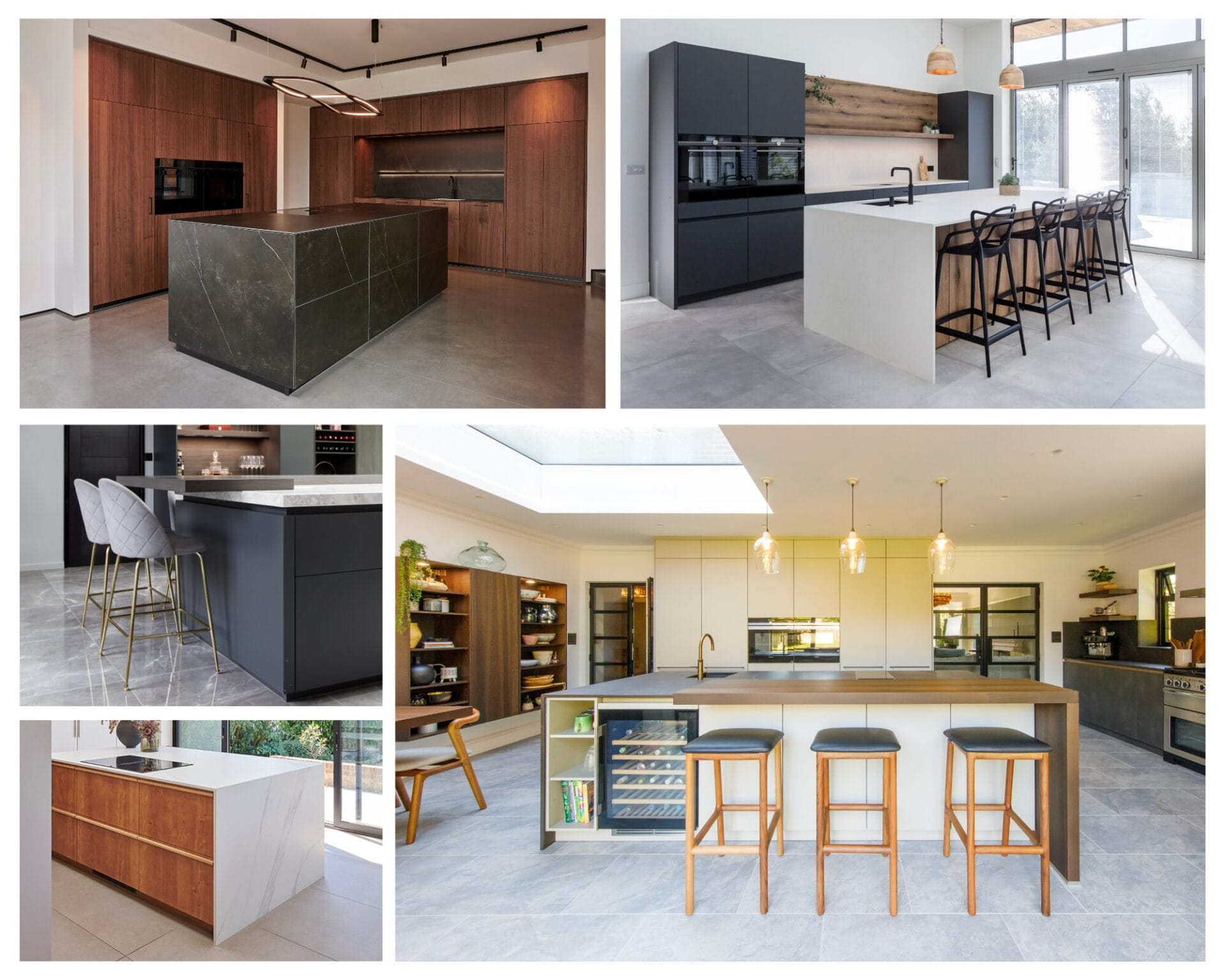
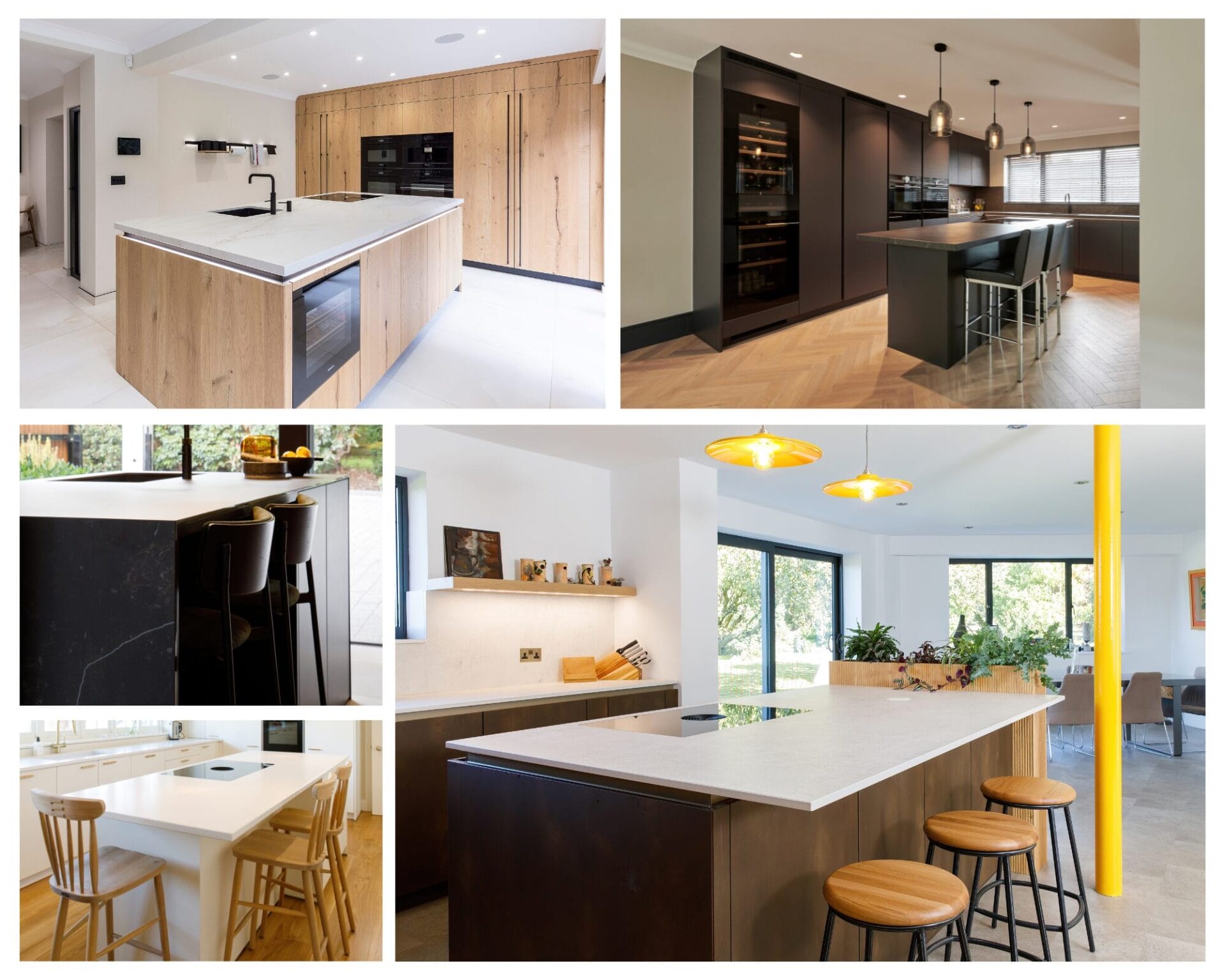
In luxury kitchen design, every detail matters. Our approach to designing islands is tailored to each client—not just in terms of style and finish, but in how they live. For families, we often incorporate generous seating for casual meals or homework sessions. For entertainers, it might be a sleek stone waterfall edge paired with integrated wine fridges and ambient lighting.
We also consider flow—how people move around the space, how the island interacts with the surrounding cabinetry, and how to maintain harmony between zones for cooking, cleaning, and socialising.
Materials, Texture, and Detail
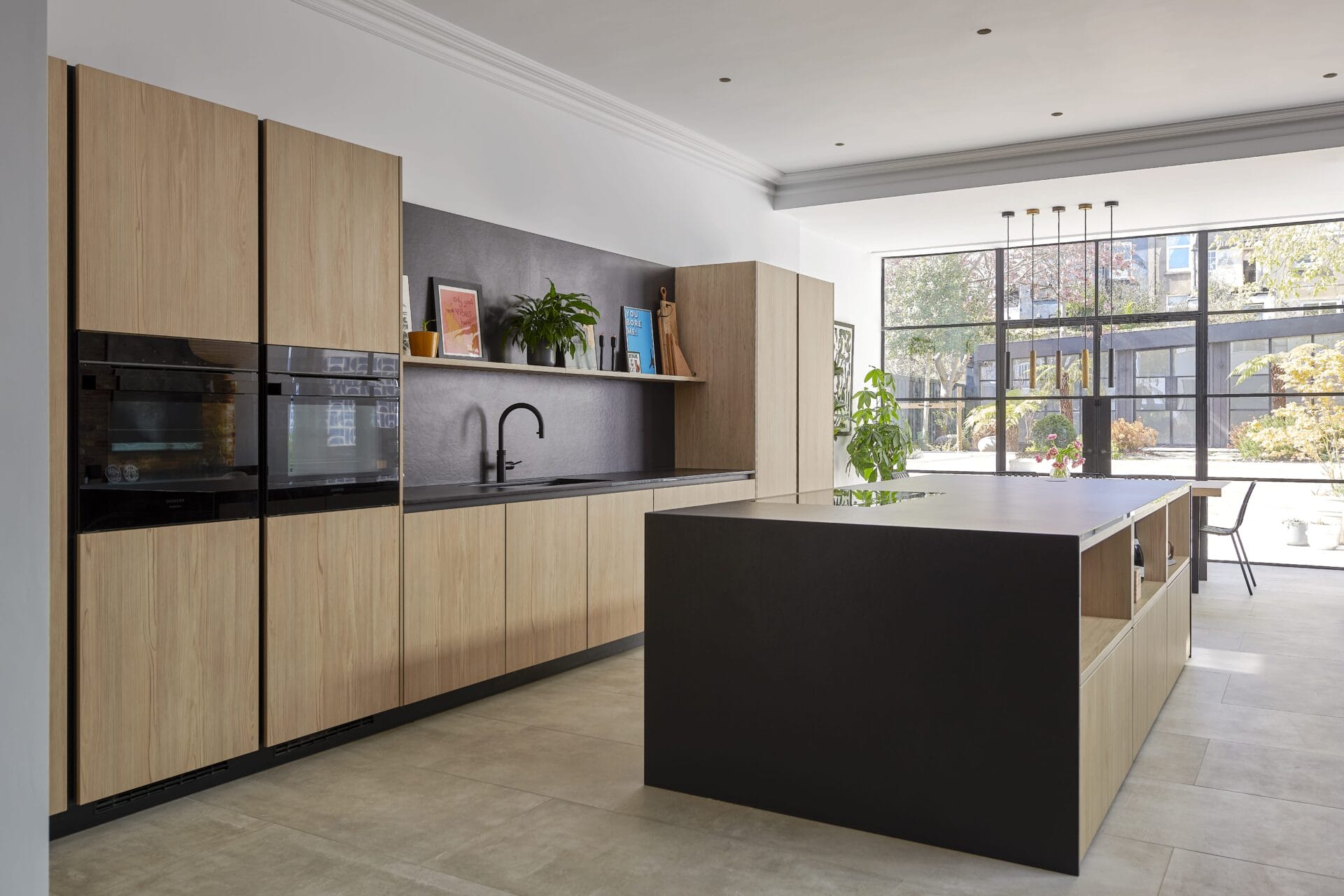
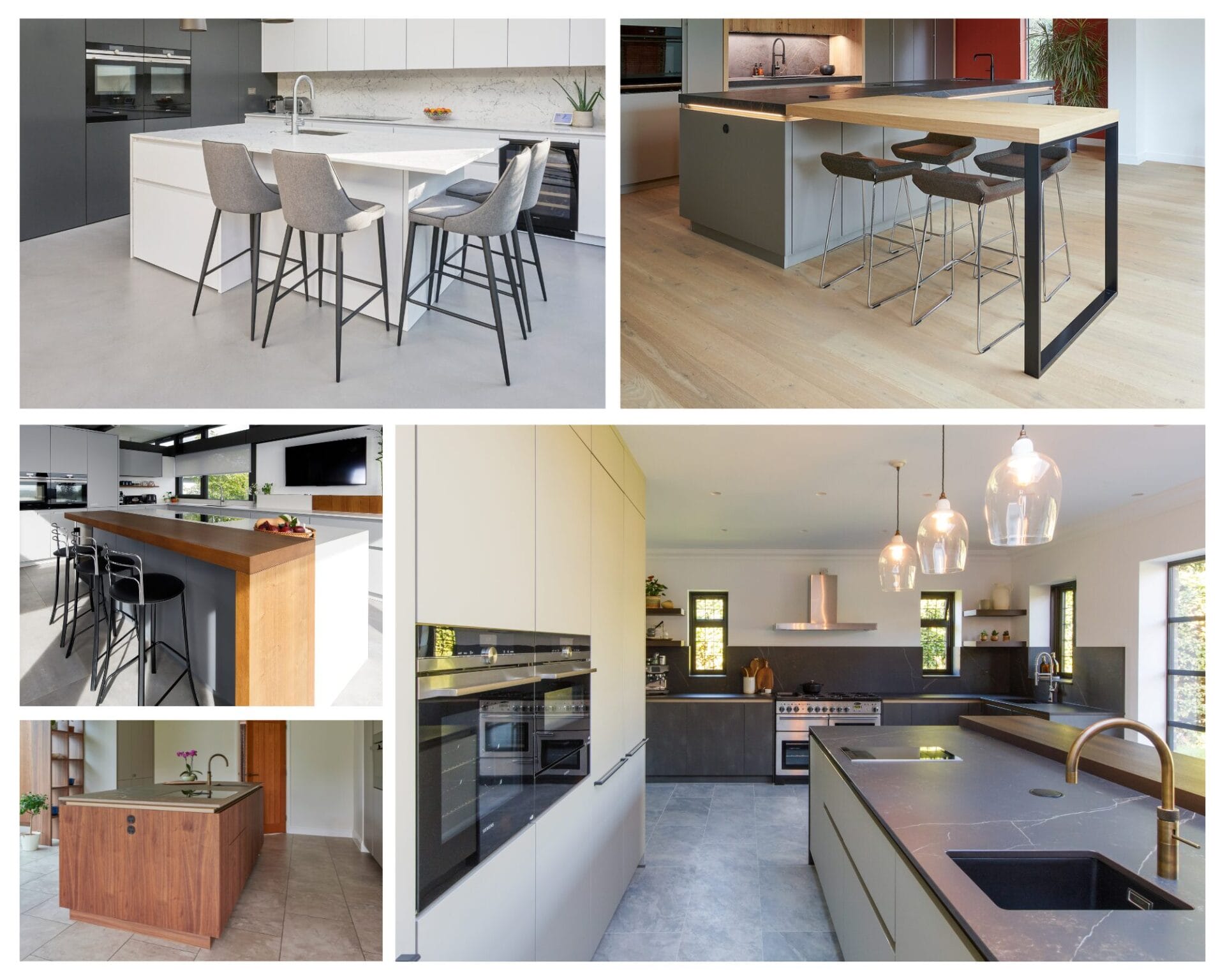
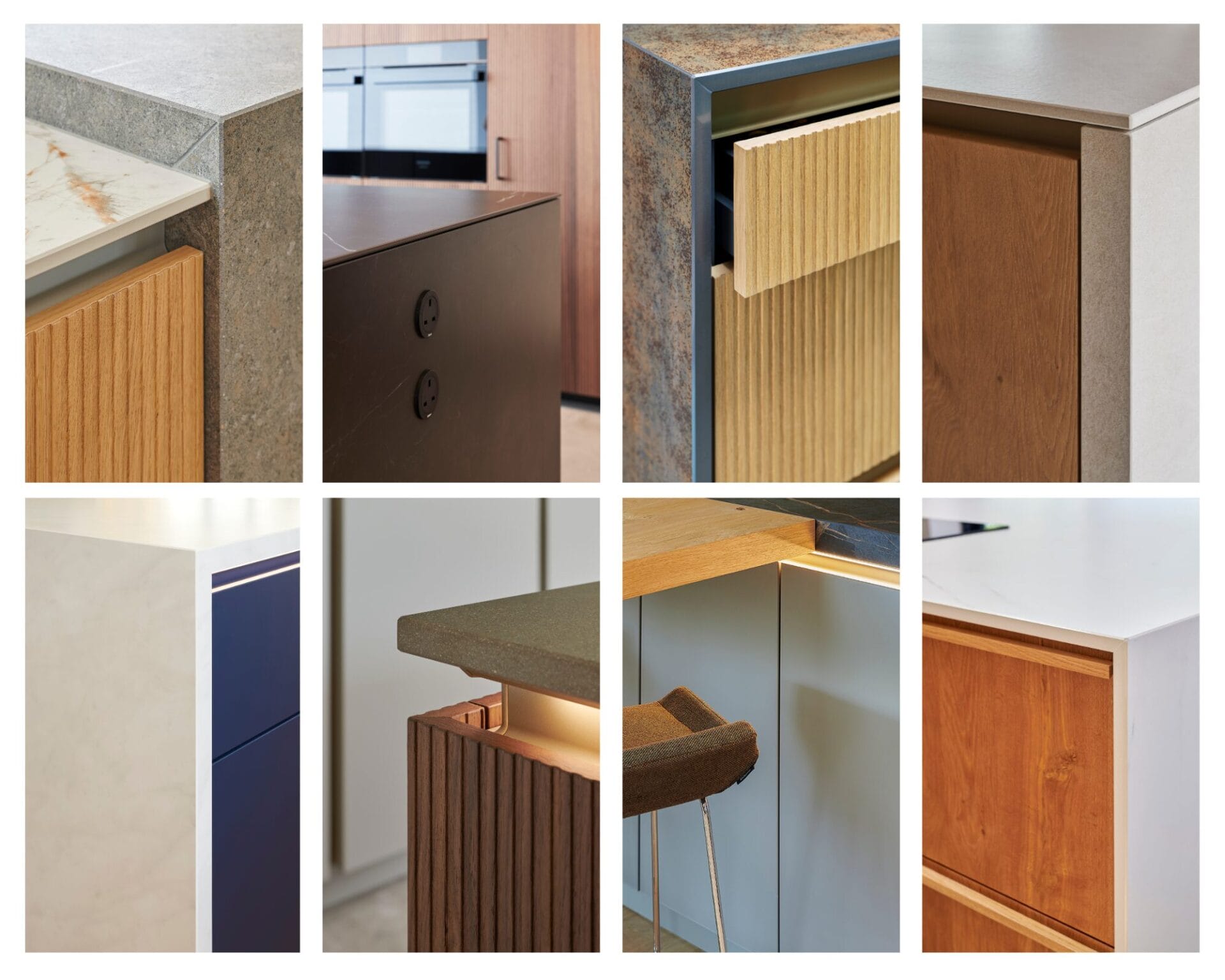
The island is often the focal point of the kitchen, so it deserves to be a statement. Whether it’s a monolithic marble block, a contrast finish that anchors the room, or a bespoke timber panelled piece that introduces warmth—materials and textures are key. We love to play with contrasts: matte cabinetry against gloss surfaces, metal detailing, sculptural lighting overhead.
These elements don’t just add style—they elevate the experience of using the kitchen, turning everyday tasks into something a little more special.
The Island as a Reflection of You
Ultimately, a well-designed island reflects the personality and lifestyle of the people who use it. That’s why we never take a one-size-fits-all approach. Every kitchen we design is a conversation—about how you cook, how you gather, how you live.
Whether it’s a sculptural centrepiece or a sleek, integrated extension of your space, the island is more than just a trend—it’s the true heart of the modern home.
Planning your kitchen design? Get in touch to see how Hubble can help.